
Lāʻau Lapaʻau
Hawaiian herbal medicine, practiced with ʻike, kuleana, and aloha
What is Lāʻau Lapaʻau?
Lāʻau lapaʻau is a traditional Hawaiian healing practice that uses plants alongside prayer, observation, and spiritual alignment to help restore pono (right relationship) in the body and life. The words themselves point to the heart of the practice: lāʻau (plants/vegetation) + lapaʻau (to heal/treat). Wikipedia+1
This is not “herbs from the store.” Traditionally, it’s relationship-based medicine—connected to place, season, protocol, and the knowledge of those trained to carry it. Kumukahi+1
What Lāʻau Lapaʻau is not
Because Hawaiian plant knowledge has been commercialized, it’s important to be clear:
Lāʻau lapaʻau is not:
a trendy “wellness hack”
a DIY medicine practice for the internet
a replacement for medical care in emergencies
something that can be learned safely without cultural context, supervision, and responsibility
If you’re learning, learn with humility—and prioritize Hawaiian-led teachers and community spaces.
A note on ethics: look first, take nothing
Hawaiʻi has an extreme number of threatened and endangered native plants, and many species are protected. Pepphi+1
So our approach is:
Observe. Learn. Photograph. Don’t pick.
Harvest only with permission, cultural guidance, and sustainable practice (and never from protected areas or rare populations). NATIFS+1
Rare Native Plants
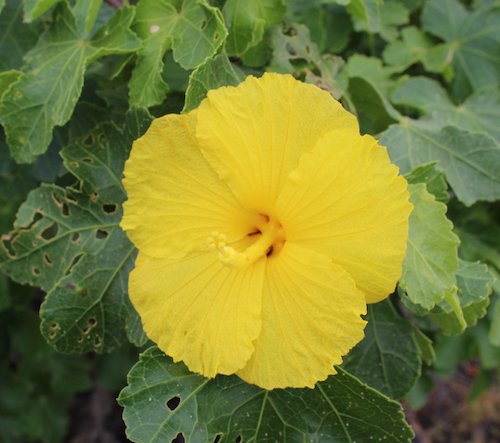
Maʻo hau hele
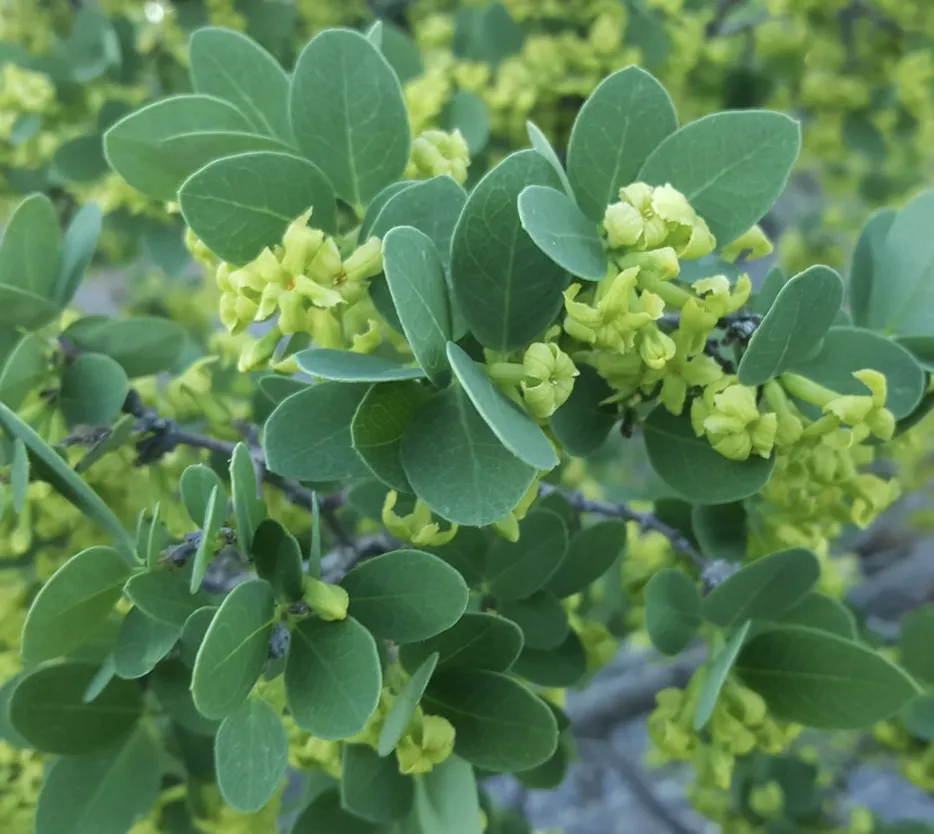
ʻĀkia
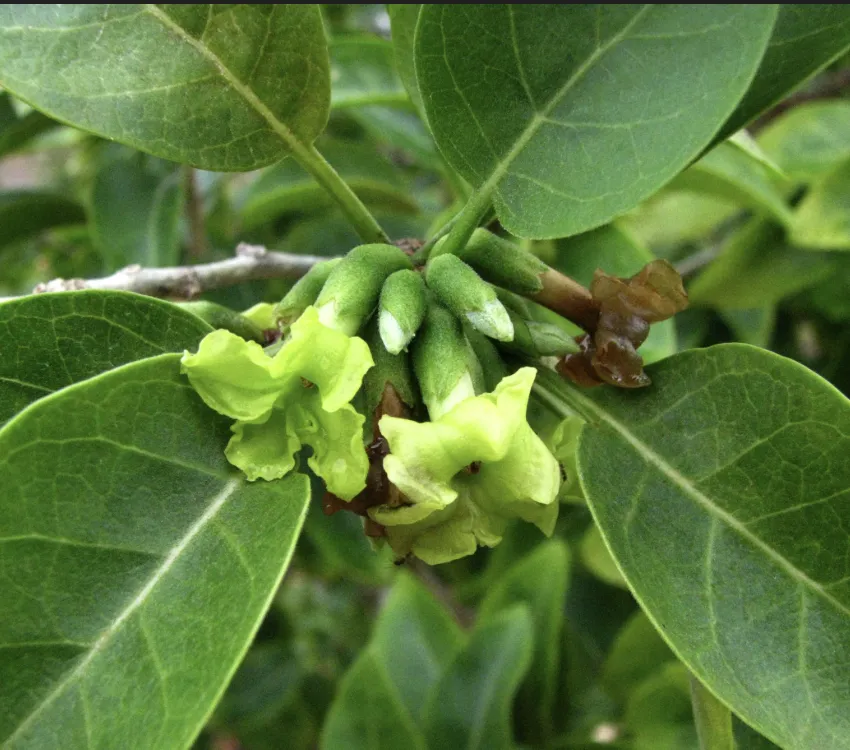
ʻAiea
Critically Rare Natives
Top Medicinal Plants People Actually Encounter in Hawaiʻi
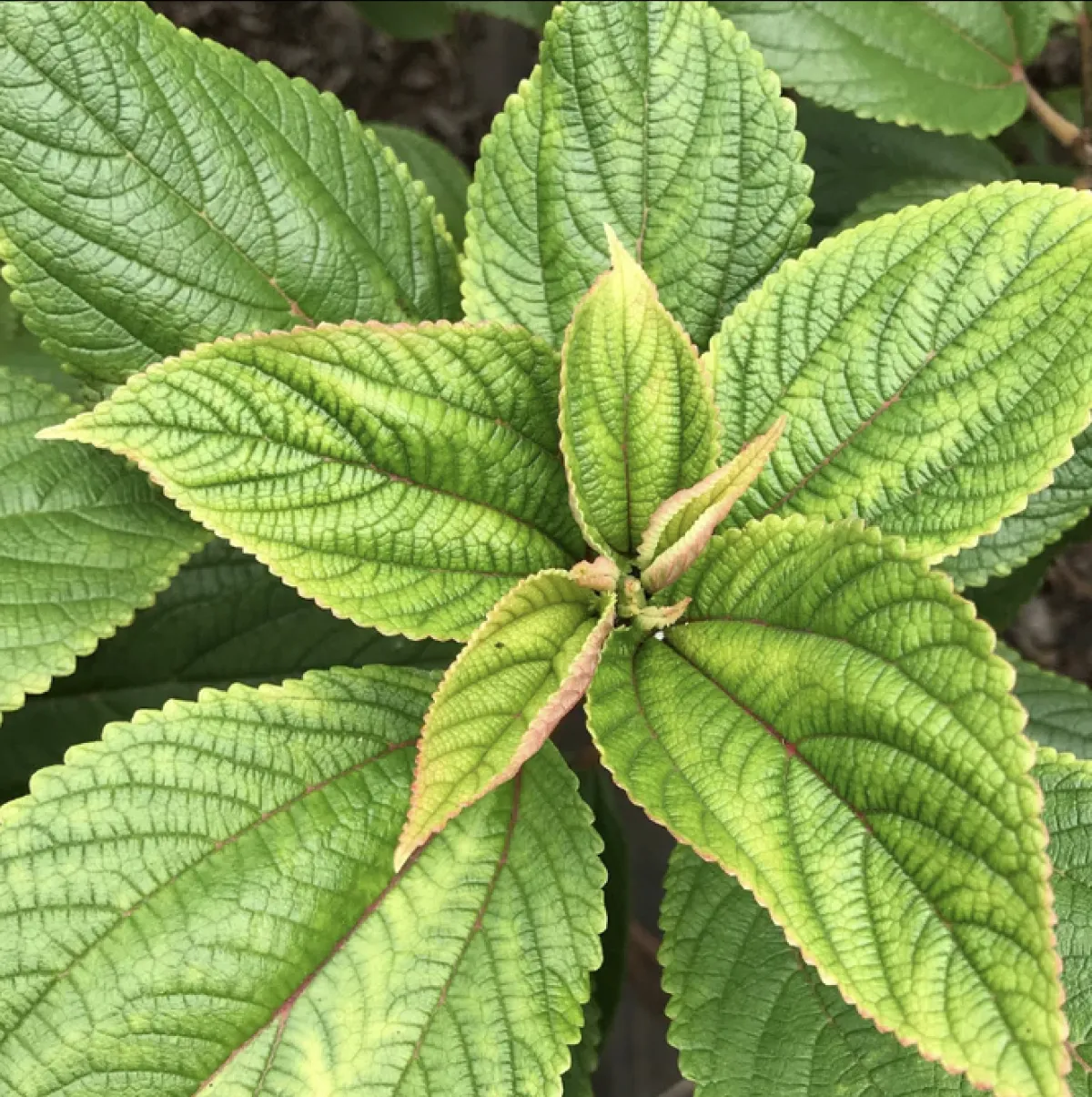
Māmaki
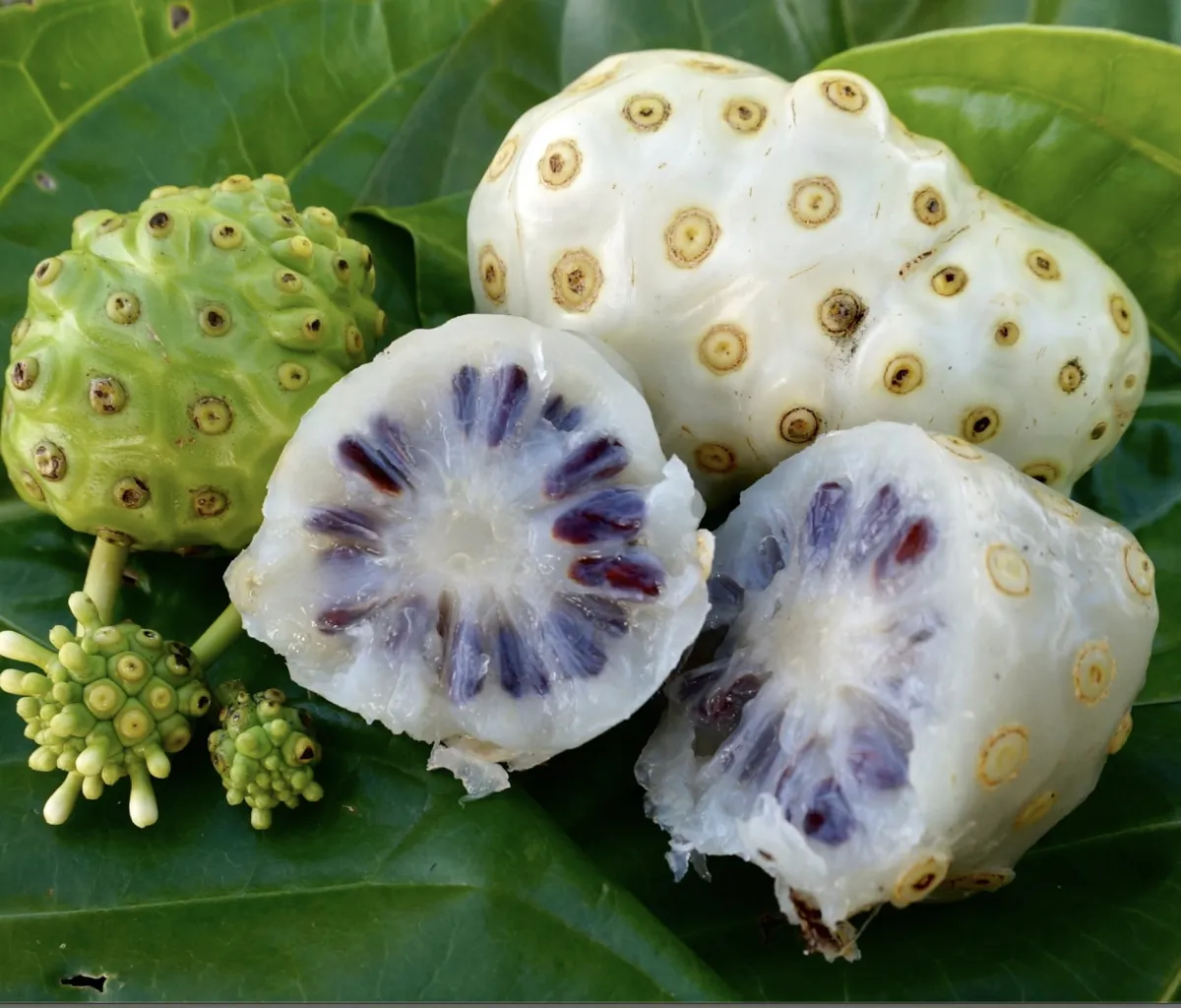
ʻNoni
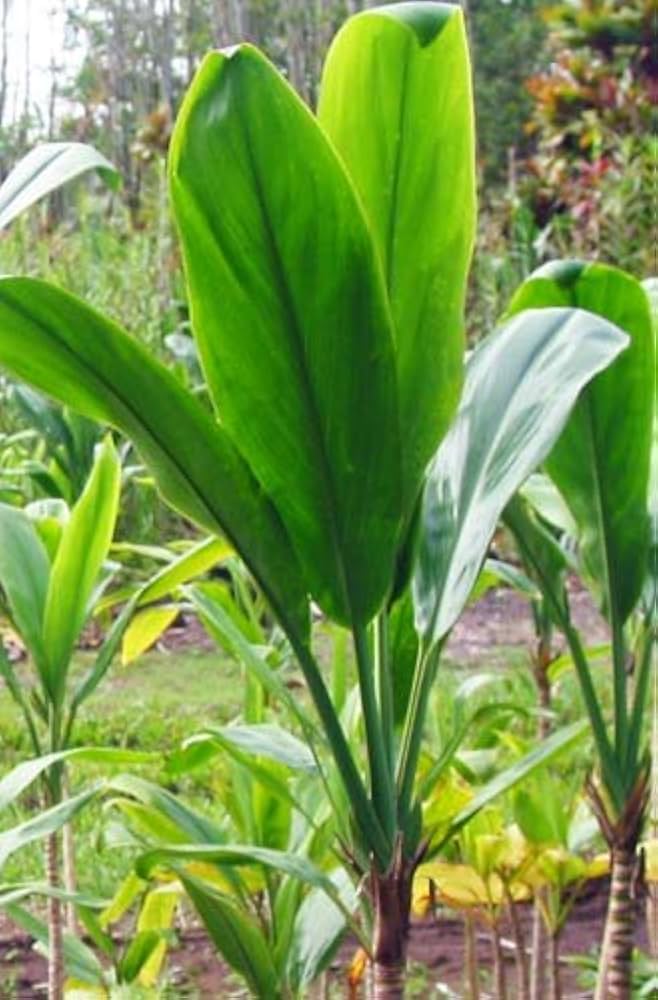
Kī (Ti leaf)
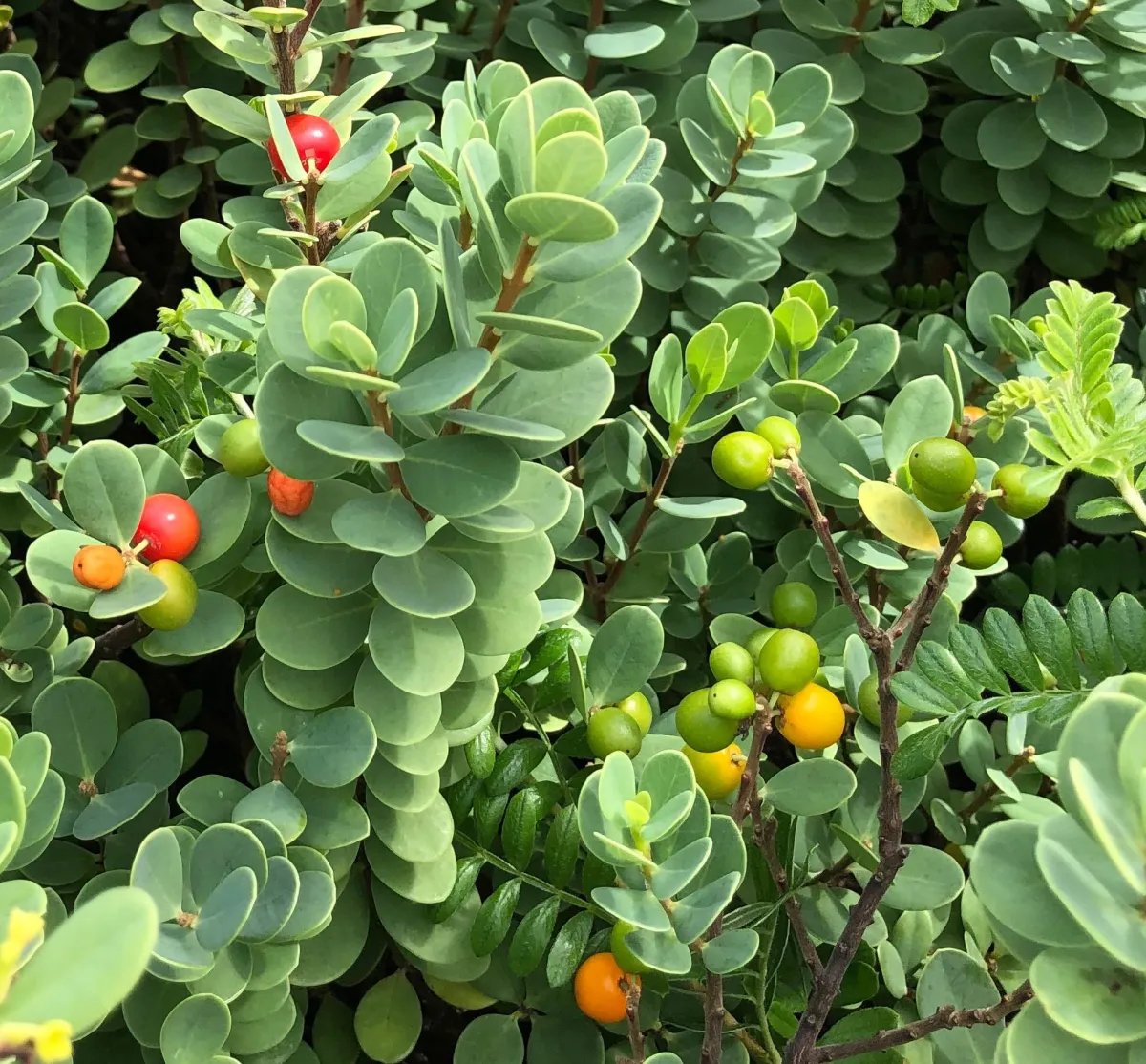
ʻĀkia
A simple exercise: “Kilo” on a hike (20 minutes)
Purpose: to practice observation the Hawaiian way—without taking anything.
Step 1 — Before you start
Open Ka Mahina Project’s calculator and note today’s moon phase (mahina).
Write 1 intention: “Today I’m practicing kilo (deep observing).”
Step 2 — Spotting challenge (photo-only)
Kī (ti leaf) — long glossy leaves, often planted near homes/temples Manoa Heritage Center+1
Noni tree — shiny leaves + bumpy, pale fruit (often coastal/lowland) Plant Pono+1
Māmaki — heart-shaped leaves; tends to be in moist forest zones NATIFS+1
Step 3 — Three questions (journal)
Where did it grow (sun/shade, wet/dry, near water, near people)?
What did you notice about the leaves (texture, scent, shape, insect life)?
How did your body feel in that area (calm, alert, heavy, light)?
Step 4 — Close with kuleana
Say (quietly): “Mahalo ʻāina.”
Leave the place better than you found it.
Safety + respect disclaimer
This page is for cultural education. It is not medical advice. Do not self-diagnose, self-dose, or harvest plants from protected areas. Learn from trained practitioners and follow local laws and protocol.
Learning from Hawaiian Voices
Websites & organizations for Lāʻau Lapaʻau
These organizations and platforms center Hawaiian knowledge holders, cultural protocol, and relationship to ʻāina. They are appropriate places to learn about Lāʻau Lapaʻau and related practices.
Hawaiian-Led Cultural & Health Organizations
Papa Ola Lōkahi
Focuses on Native Hawaiian health systems, ʻike Hawaiʻi, and cultural wellness frameworks that include lāʻau lapaʻau.
ʻŌiwi TV
Features interviews, documentaries, and talks with Hawaiian practitioners, healers, and cultural educators.
(Search their archive for lāʻau lapaʻau, mālama ʻāina, and kupuna teachings.)
Paʻi Foundation
Offers land-based cultural education and ʻike rooted in Hawaiian values, stewardship, and ʻike kupuna.
Kamehameha Schools
Provides culturally grounded educational resources, including ʻike about plants, land stewardship, and Hawaiian values.
Native Plant & Conservation Resources
Hui Kū Maoli Ola
Native plant conservation, restoration, and education programs grounded in Hawaiian values.
Hoʻōla Nā Pua
Community-based healing and cultural programs that honor ʻāina, plants, and people.
DLNR – Division of Forestry and Wildlife
Information on native and endangered plants, conservation ethics, and protection laws.
Video & Media (Hawaiian Voices)
ʻŌiwi TV (YouTube & web)
Look for segments on lāʻau lapaʻau, mālama ʻāina, kilo (observation), and kupuna interviews.
PBS Hawaiʻi
Programs featuring Hawaiian cultural practitioners discussing land, plants, and traditional knowledge.
ʻŌlelo Noʻeau — Hawaiian Proverbs on Plants & Healing
E mālama i ka ʻāina, a e mālama ka ʻāina iā ʻoe.
Care for the land, and the land will care for you.
He aliʻi ka ʻāina; he kauwā ke kanaka.
The land is chief; people are its servants.
I ulu no ka lālā i ke kumu.
The branches grow because of the trunk.
(A reminder that healing knowledge comes from roots and source.)
E laʻa ke kumu, e ola ke lālā.
When the source is cared for, the branches live.
(Beautiful for plant medicine and stewardship.)
Ma ka hana ka ʻike.
In doing, one learns.
(Observation, patience, and relationship are the teachers.)
He moʻolelo ka ʻāina.
The land is a story.
(Plants carry history, memory, and knowledge.)
How these sayings guide Lāʻau Lapaʻau
These ʻŌlelo Noʻeau remind us that:
plants are relatives, not resources
medicine comes with responsibility
healing begins with relationship and care
knowledge is rooted in place and practice
Lāʻau lapaʻau is not about taking from the land.
It is about listening, observing, and giving back.
Connect With Us
©2025 PEWA. All Rights Reserved.