
Lōmīlōmi
A Hawaiian healing practice of touch, prayer, and right relationship
Na ka ʻili ka ʻike.
The skin is a place of knowing.
What is Lōmīlōmi?
Lōmīlōmi is a traditional Hawaiian healing practice that uses touch, movement, breath, prayer, and presence to restore balance in the body, mind, and spirit. It is not simply massage. It is healing work rooted in Hawaiian values, family lineage, and relationship to land and ancestors.
Traditionally, Lōmīlōmi was practiced within families and communities as part of a larger system of care, alongside lāʻau lapaʻau (herbal medicine), pule (prayer), oli (chant), hoʻoponopono (reconciliation), and ʻike kupuna (ancestral knowledge).
Touch in Lōmīlōmi is intentional.
It listens.
It responds.
It restores pono—right order.
If you’re learning, learn with humility—and prioritize Hawaiian-led teachers and community spaces.
Origins of Lōmīlōmi
Lōmīlōmi predates Western contact and was practiced throughout the Hawaiian Islands. It was used to:
prepare warriors and voyagers
support childbirth and postpartum recovery
ease illness and injury
release emotional and spiritual burdens
restore balance after conflict or trauma
Healing was understood as relational, not mechanical. Pain or illness was often seen as a sign that something—physical, emotional, spiritual, or relational—was out of alignment.
Lōmīlōmi is NOT
Because Lōmīlōmi has been commercialized, it’s important to be clear about what it is not.
Lōmīlōmi is not:
a spa trend or relaxation technique
interchangeable with Swedish or deep tissue massage
something learned in a weekend and practiced without lineage
a uniform method with fixed strokes
disconnected from prayer, intention, or ethics
There is no single “authentic” technique—there are many styles, each carried through family lines.
Types & Lineages of Lōmīlōmi
Lōmīlōmi varies by island, family, and teacher. Some known lineages and approaches include:
Temple-style Lōmīlōmi
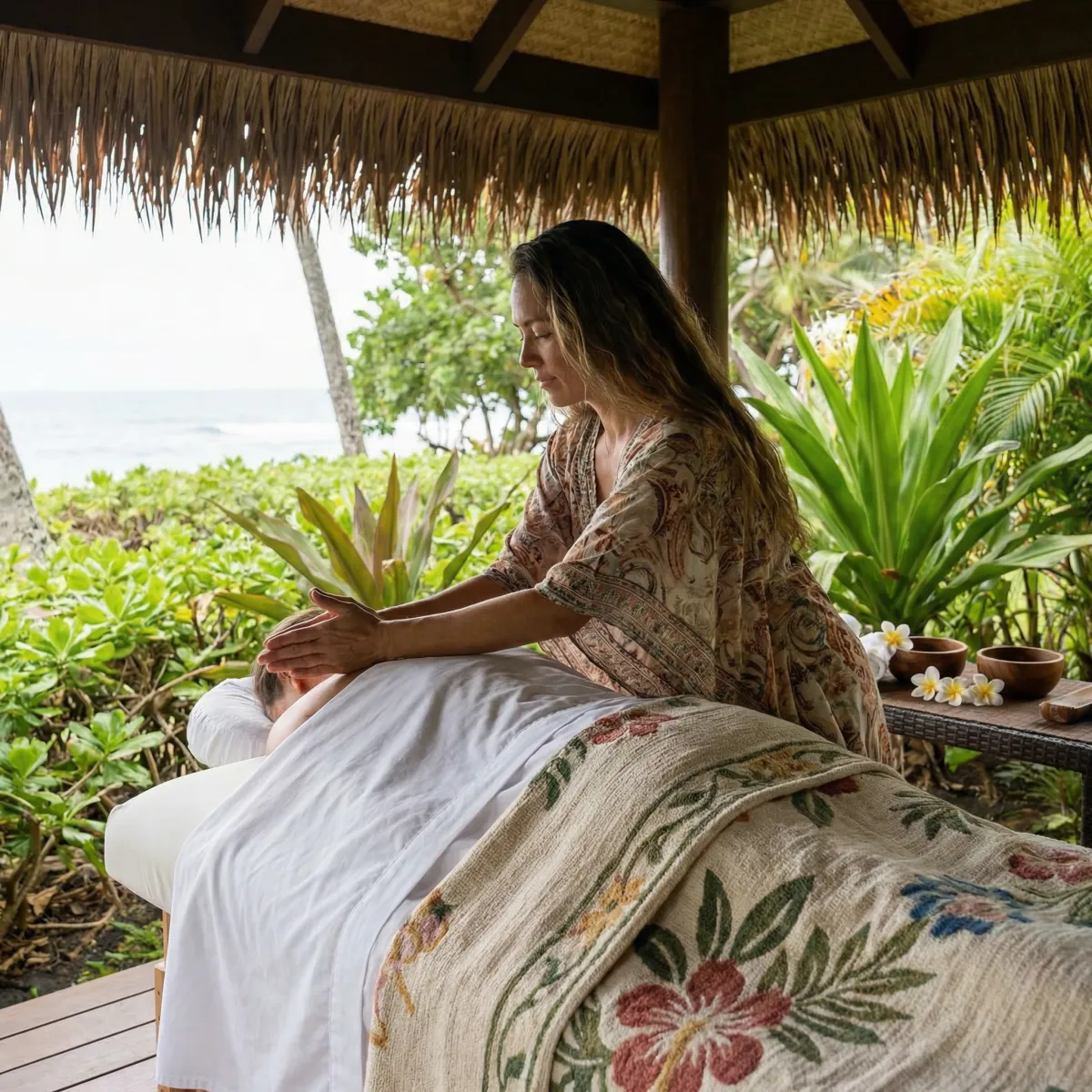
Often connected to spiritual preparation, prayer, and ceremony
Family lineage Lōmīlōmi
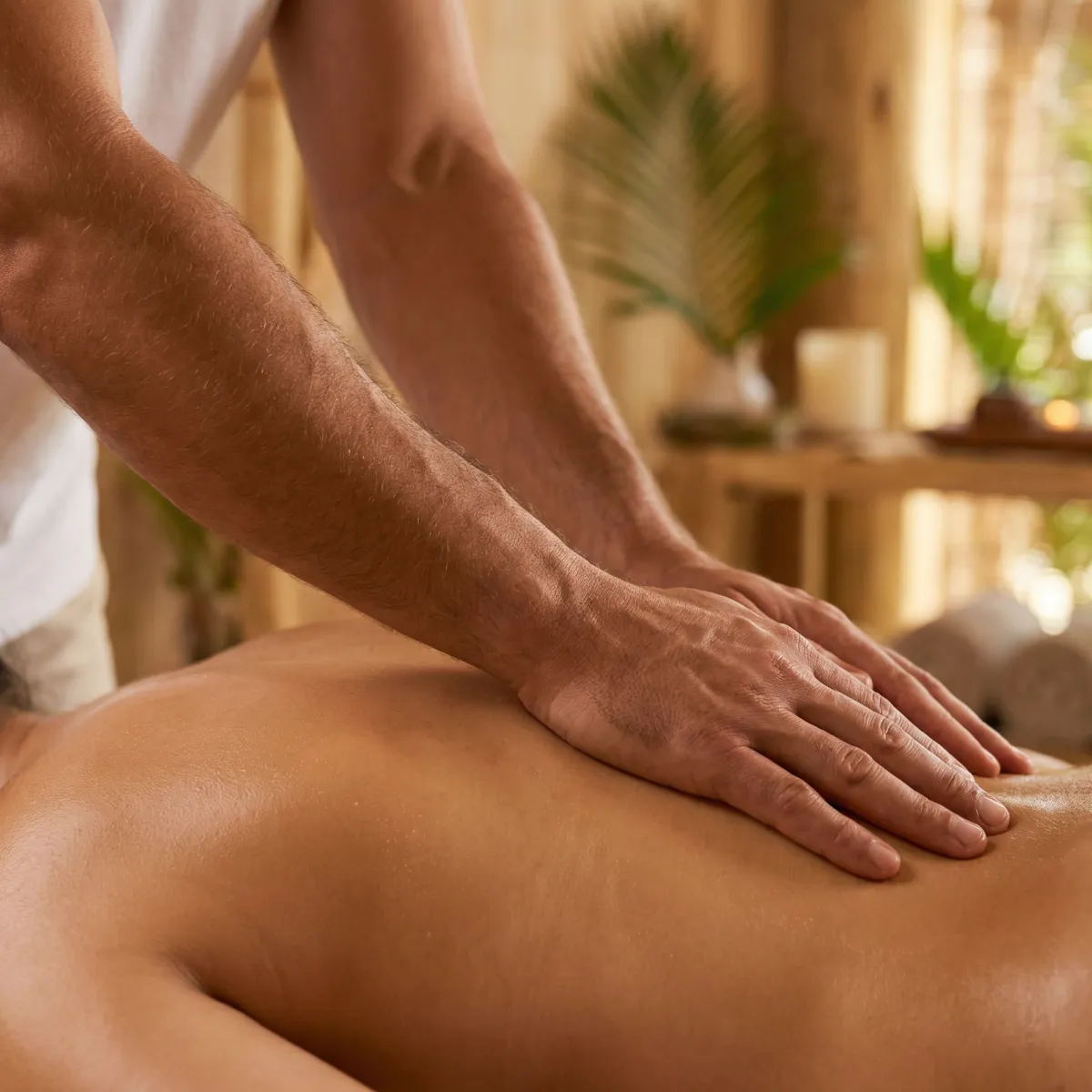
Passed down privately within ʻohana
Bone-setting–informed Lōmīlōmi
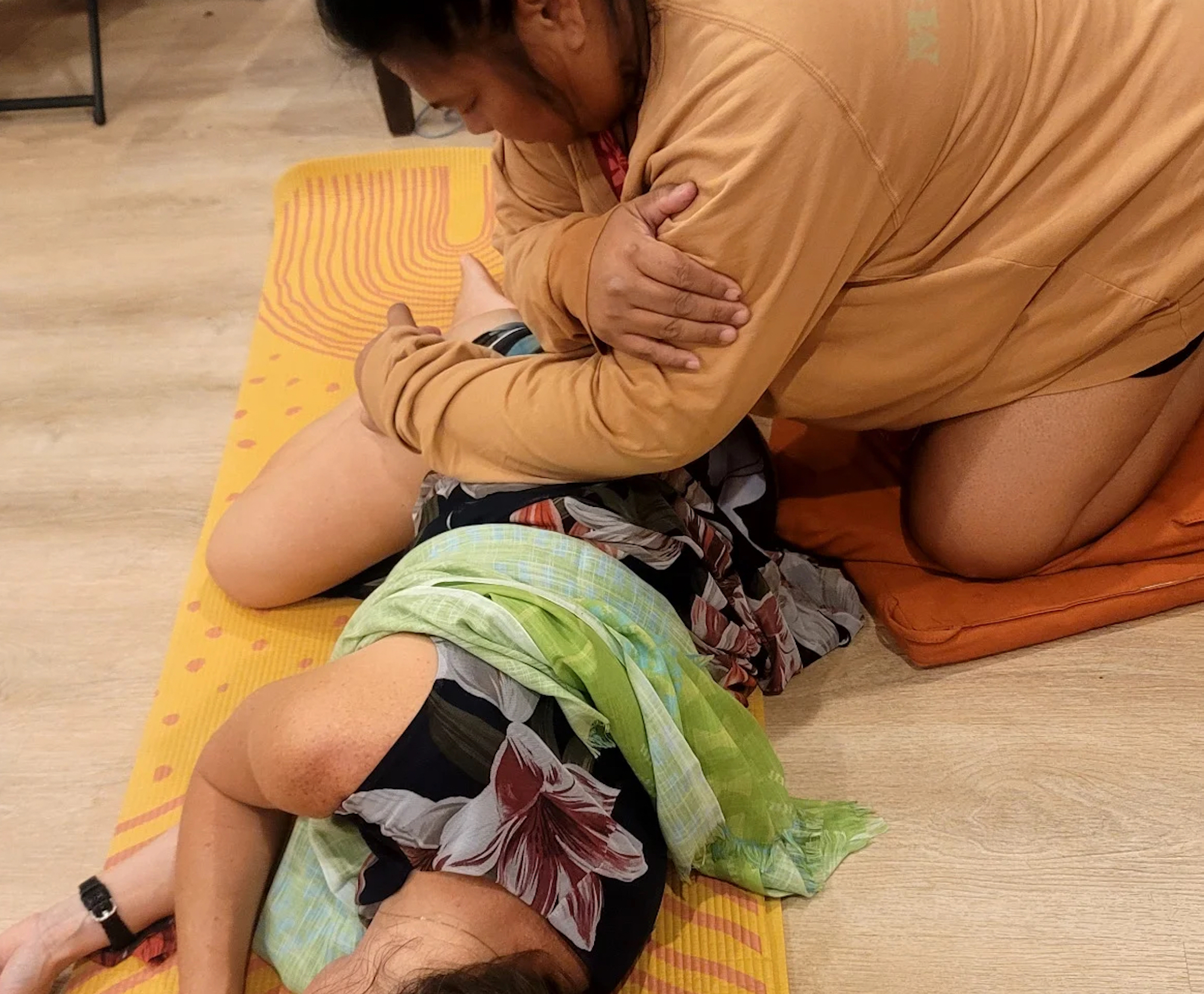
Working with alignment and structure
Movement-based Lōmīlōmi
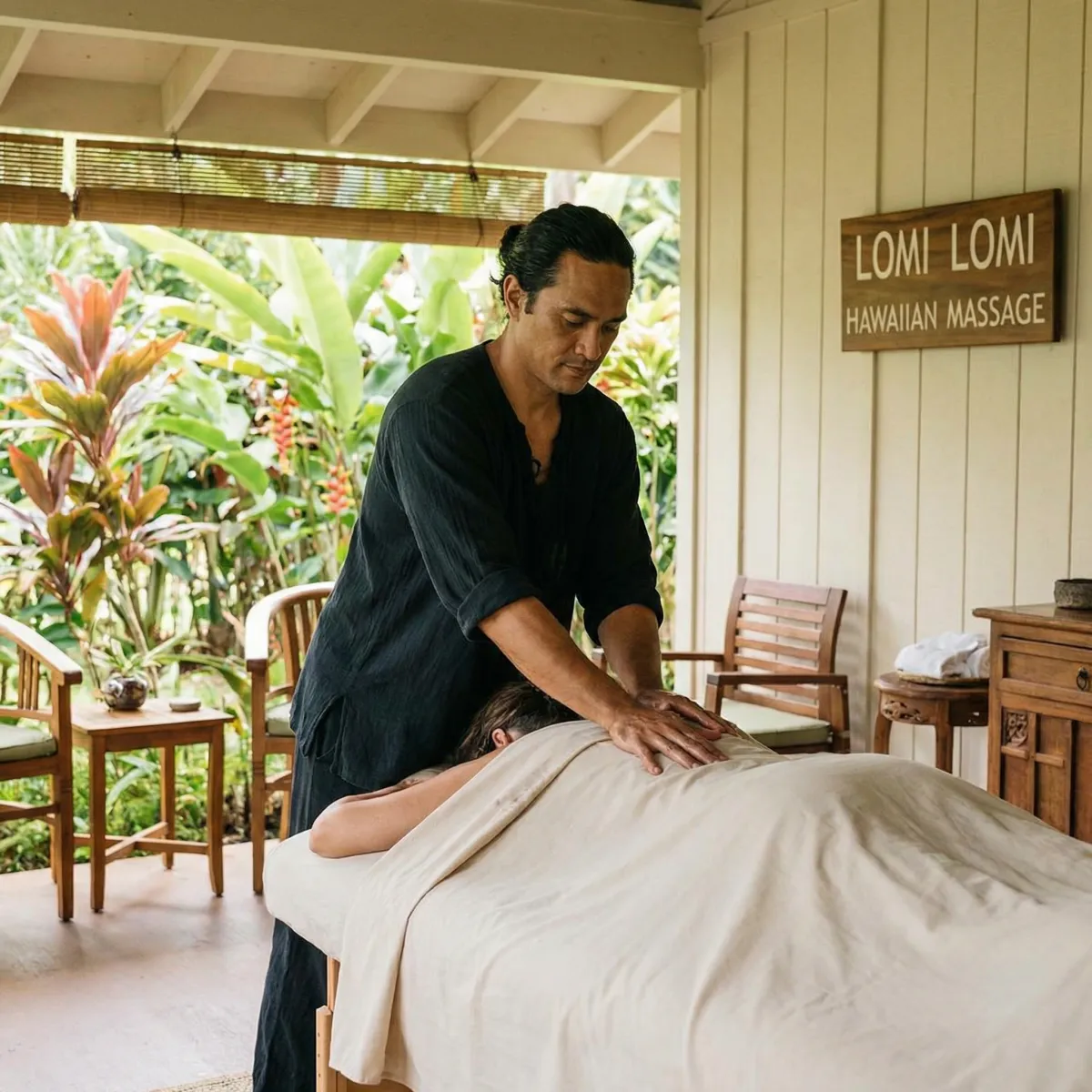
Long flowing strokes using forearms and body weight
Energetic / spiritual Lōmīlōmi
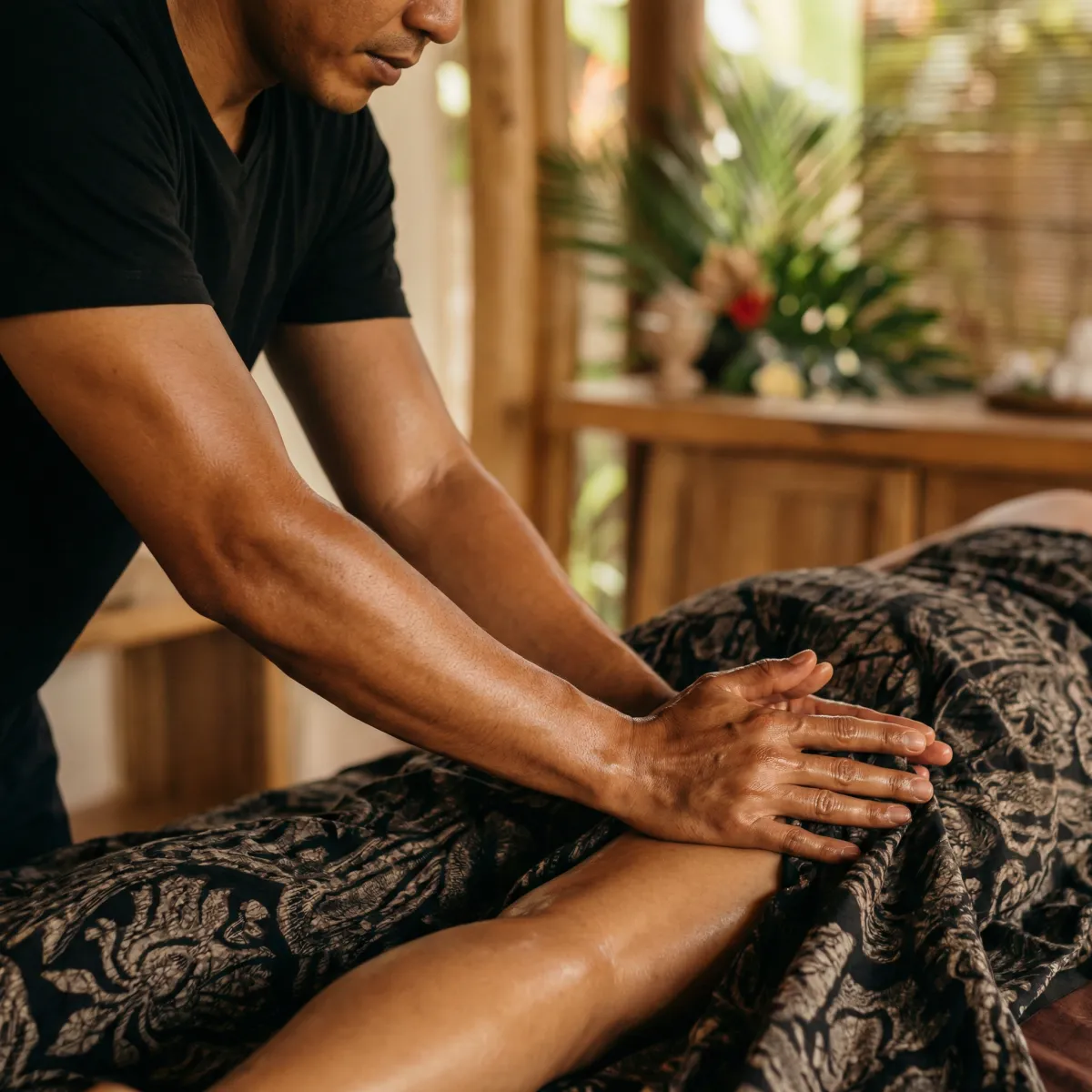
Emphasizing pule, breath, and ʻike
All true Lōmīlōmi is guided by intention, presence, and relationship, not choreography.
Who carries and teaches Lōmīlōmi?
Traditionally, Lōmīlōmi was taught through apprenticeship, not certification. Knowledge was shared with those who showed readiness, humility, and responsibility.
Some respected Hawaiian practitioners and teachers who have helped preserve and share Lōmīlōmi include:
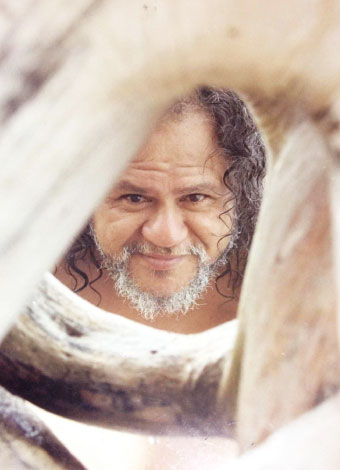
Abraham Kawaiʻi
Carried temple-style and spiritual teachings
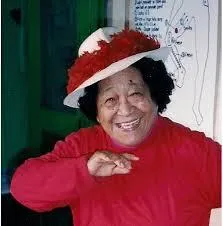
Aunty Margaret Machado
Widely known for sharing family lineage Lōmīlōmi
Hawaiian organizations and media that uplift authentic practitioners:

Paʻi Foundation

ʻŌiwi TV
Papa Ola Lōkahi
Lineage & Practitioners
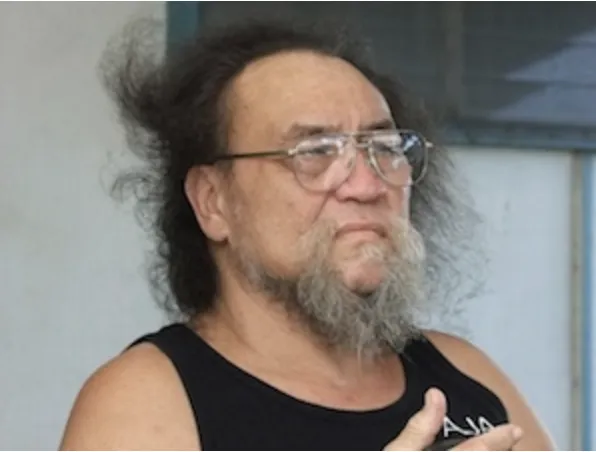
Kumu Alva James Andrews
One respected teacher in the lineage of Hawaiian Lōmīlōmi is Kumu Alva James Andrews, whose teachings weave healing touch with prayer, cleansing, and physical alignment. His style emphasizes holistic wellness — physical, emotional, spiritual, and energetic — through Lōmīlōmi, pule (prayer), ho‘oponopono (reconciliation), and alignment work.
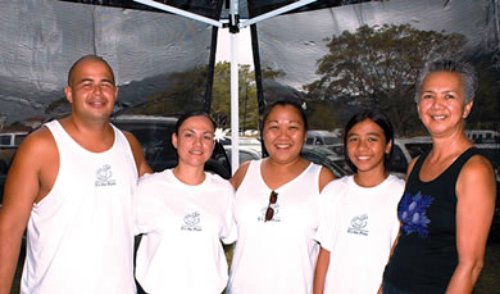
Enrick Ortiz Jr. & Pa Ola Hawaiʻi
Other Practitioners in Hawaiʻi
Kapono Aluli Souza
Practitioner sharing kuleana (responsibility) for traditional healing touch via family inheritance (video interview available).
Mālia Helelā
Kumu hula and Lōmīlōmi practitioner who connects bodywork to land, hula, and story.
Akua Lima Lomilomi
Practitioner based in Kahului, Maui.
What happens in a traditional Lōmīlōmi session?
A traditional session may include:
Pule (prayer) or oli
Assessment through observation and touch
Rhythmic, flowing movements using hands, forearms, elbows
Guided breath
Quiet moments of stillness
Integration and rest
Some sessions are gentle.
Some are deep.
Some are emotionally releasing.
The practitioner listens to the body—and the body responds.
What do people experience?
People often report:
Deep relaxation and grounding
Emotional release
Clarity and lightness
A sense of being “put back together”
Feeling seen and cared for
Lōmīlōmi does not force healing. It creates the conditions for healing.
Who is Lōmīlōmi for?
Lōmīlōmi is for people who:
Seek healing that honors the whole person
Value cultural integrity
Are open to receiving care with intention
Understand that healing is relational
It is not about fixing.
It is about restoring flow.
Lōmīlōmi at Pewa Retreats
At Pewa Retreats, Lōmīlōmi is shared:
by Hawaiian practitioners
with cultural context and respect
as education and experience—not certification
without claiming ownership over family lineages
We do not teach people to “perform” Lōmīlōmi.
We teach understanding, reverence, and responsibility.
A note on cultural respect
Lōmīlōmi is not a commodity. It is a living cultural practice. We ask all participants to approach this work with:
humility
respect
patience
willingness to listen
Some knowledge is shared publicly, some are not. That boundary is part of the practice.
He aliʻi ka ʻāina; he kauwā ke kanaka.
The land is chief; people are its servants.
Lōmīlōmi reminds us that healing begins with relationship—to body, to breath, to land, and to one another.
Common Lōmīlōmi Strokes & Movements
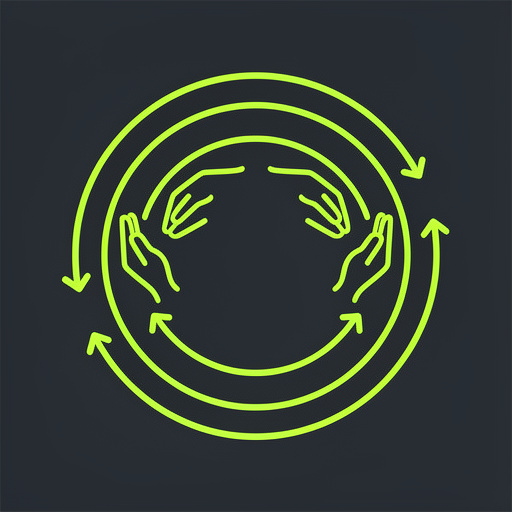
Kaʻapuni
Circular, continuous movements used to warm tissue and invite flow. These motions reflect the cycles of nature and help the body soften and open.
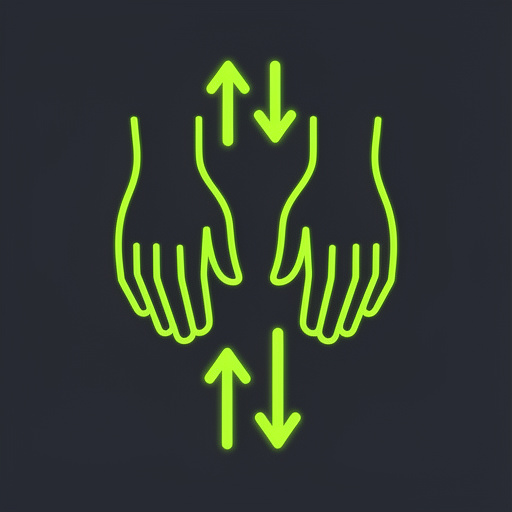
Pāheʻe
Long, gliding strokes—often using the hands or forearms—that move smoothly along the body. This stroke is associated with continuity, connection, and grounding.
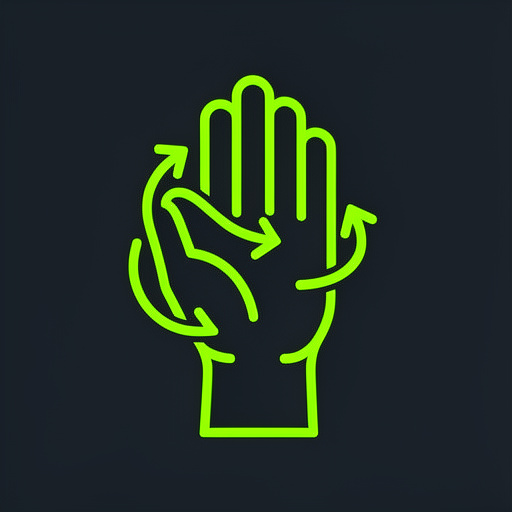
ʻŌwili
Gentle twisting or spiraling motions that help release tension and encourage flexibility. ʻŌwili supports letting go of holding patterns.
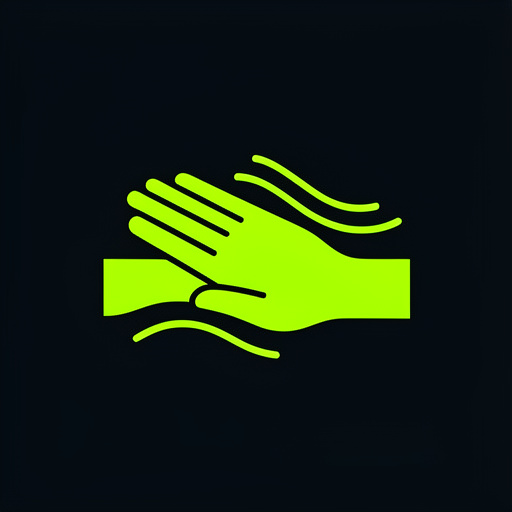
Hahau
Rhythmic, wave-like movements that travel through the body. This stroke echoes ocean motion and supports circulation and energetic flow.
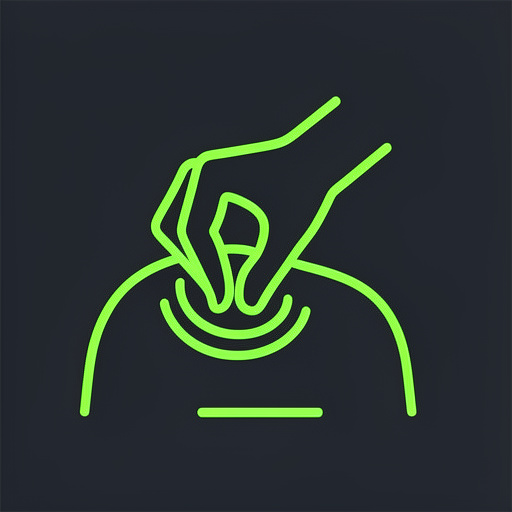
Kaomi
Focused, intentional pressure applied with presence and listening. Kaomi is never forced; it responds to what the body allows.
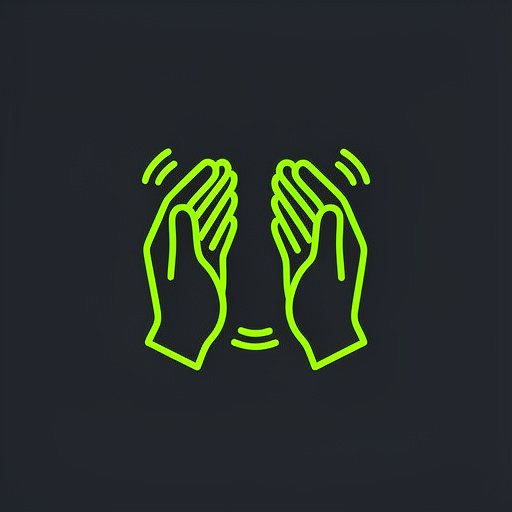
Hoʻokuʻu
A releasing movement—often slower and quieter—used to help the body integrate and settle after deeper work.
Connect With Us
©2025 PEWA. All Rights Reserved.