Ho’oponopono
hoʻo – to cause or make
pono – rightness, balance, alignment
pono-pono – to make right again and again
Tradition roles in ho’oponopono?
“Who Holds the Process?”
The haku or respected elder
The family members involved
The importance of authority, neutrality, and trust
Why not everyone is meant to lead it
Why Hoʻoponopono Was Not Public
privacy protects dignity
healing doesn’t require an audience
public exposure can cause harm
silence is part of restoration
Relationship to Illness & Wellbeing
unresolved conflict could show up as illness
children carried family burdens
healing the relationship could ease symptoms
What is Hoʻoponopono?
Hoʻoponopono is a traditional Hawaiian practice of reconciliation and repair.
At its core, it is a process of bringing things back into pono, right relationship, within families, between people, and between people and the unseen (ancestors, spirit, land).
Historically, Hoʻoponopono was practiced within families and communities, guided by a respected elder or cultural practitioner. It involved:
naming what was out of balance
speaking truth with care
taking responsibility
making things right through forgiveness, release, and commitment
It is not a spell. It is not a shortcut. It is relationship work.
What Hoʻoponopono is not?
Hoʻoponopono has been widely misunderstood and commercialized. It is not:
a manifestation technique
a four-phrase affirmation for money or success
a way to bypass accountability
a solo practice divorced from culture and context
a branding tool or productivity hack
Many modern versions strip Hoʻoponopono of its family-based structure, cultural grounding, and ethical responsibility. Traditional Hoʻoponopono is slow, relational, and often uncomfortable because real healing requires honesty.
Origins of Hoʻoponopono
Hoʻoponopono is ancient, passed down through Hawaiian families long before Western contact. It was used to address:
conflict within ʻohana (family)
illness believed to arise from unresolved relational issues
breaches of kapu (sacred order)
disharmony affecting the whole community
The belief was simple and profound: when relationships are out of alignment, life suffers.
When relationships are restored, health and balance return.
Who helped preserve and revive Hoʻoponopono?
In the 20th century, several respected Hawaiian scholars and practitioners helped document and preserve Hoʻoponopono so it would not be lost:
Mary Kawena Pukui — Hawaiian scholar who documented traditional practices, language, and values
E. W. Haertig — worked alongside Pukui to record Hoʻoponopono processes
Catherine Kaʻailoa Lee — a respected kupuna known for practicing traditional family Hoʻoponopono
Nona Beamer — teacher and cultural bearer who emphasized Hawaiian values, chant, and ethics
Later, Morrnah Simeona developed a modern, individual-focused adaptation often called “Self-Identity through Hoʻoponopono.” While influential globally, this version is distinct from traditional family-based practice and should not be confused with it.
What do people learn from practicing Hoʻoponopono?
When practiced properly, people learn to:
take responsibility without shame
speak truth with care
listen without defensiveness
release resentment and emotional burden
restore trust within families and relationships
understand how emotional and relational conflict affects wellbeing
Hoʻoponopono teaches that healing is communal, not just personal.
What is the purpose of Hoʻoponopono?
The purpose is not perfection. The purpose is restoration.
Restoration of harmony
Restoration of relationship
Restoration of spiritual and emotional balance
Restoration of pono within the family system
He hihia ke ala, he ala nō ke hoʻoponopono.
When the path is tangled, there is still a way to set it right.
How we approach Hoʻoponopono at Pewa Retreats
At Pewa Retreats, Hoʻoponopono is shared:
with cultural context and respect
as education, not replacement for family-led practice
without claiming authority over personal or ancestral matters
with clear boundaries around what can and cannot be taught
We do not claim to “do” Hoʻoponopono for people. We teach understanding, values, and responsibility, and encourage learning from proper lineage and community when deeper work is needed.
A final note
Hoʻoponopono is not something to use. It is something to live.
He ʻike ʻana ia i ka pono.
It is a recognizing of what is right.
Suggested Further Learning (Curated & Ethical)
Add a “Continue Learning from Hawaiian Voices” section:
Books by Mary Kawena Pukui
ʻŌiwi TV interviews
Paʻi Foundation resources
Community talks, not certification programs
What does Ho’oponopono mean?
By Kumu Sabra Kauka
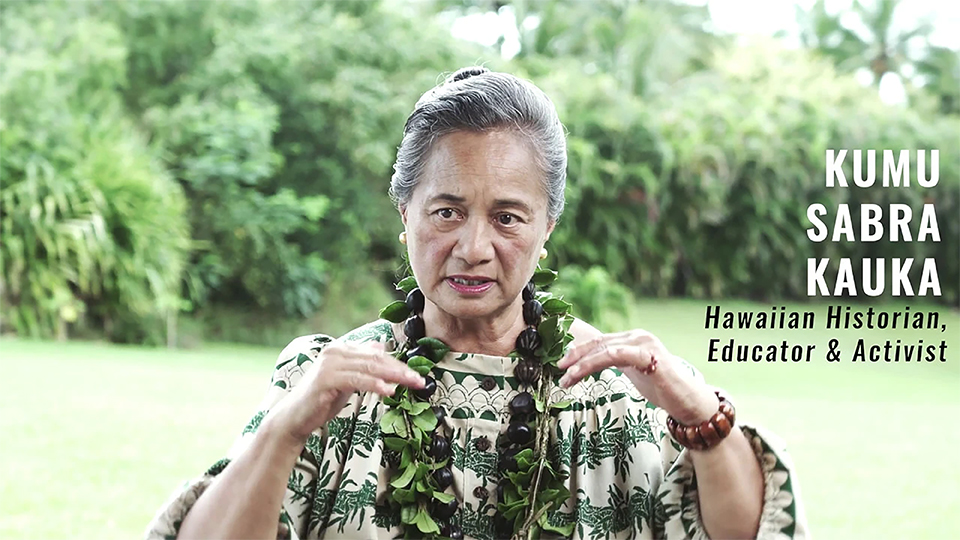
What does Ho’oponopono,the Hawai'ian mean?
@Global Center for Indigenous Leadership & Lifeways
Ho’oponopono seminars with Aunty Morrnah
Morrnah Simeona's Ho'oponopono
@Morrnah_Hooponopono
Words of wisdom from our Kupuna:
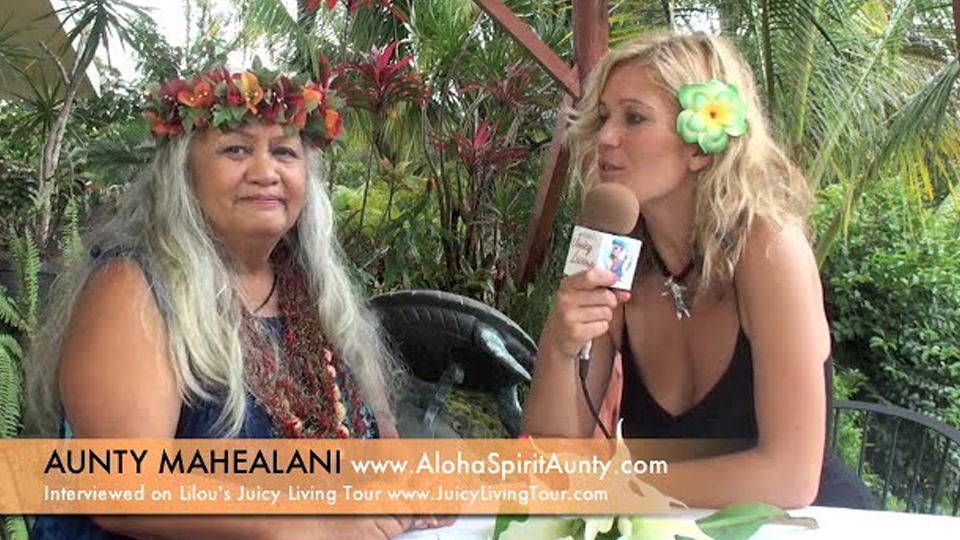
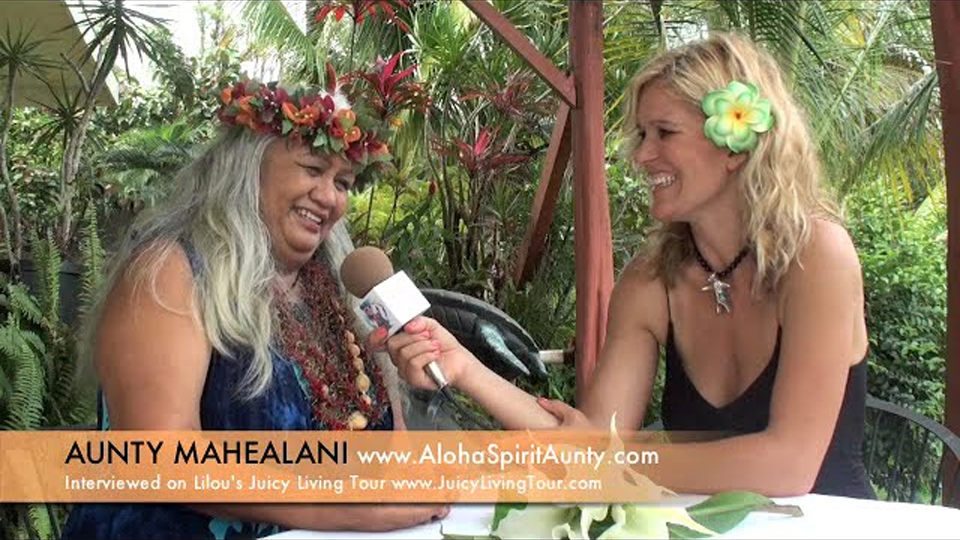
Ho'oponopono & Aloha Spirit - AUNTY MAHEALANI
@Lilou Mace
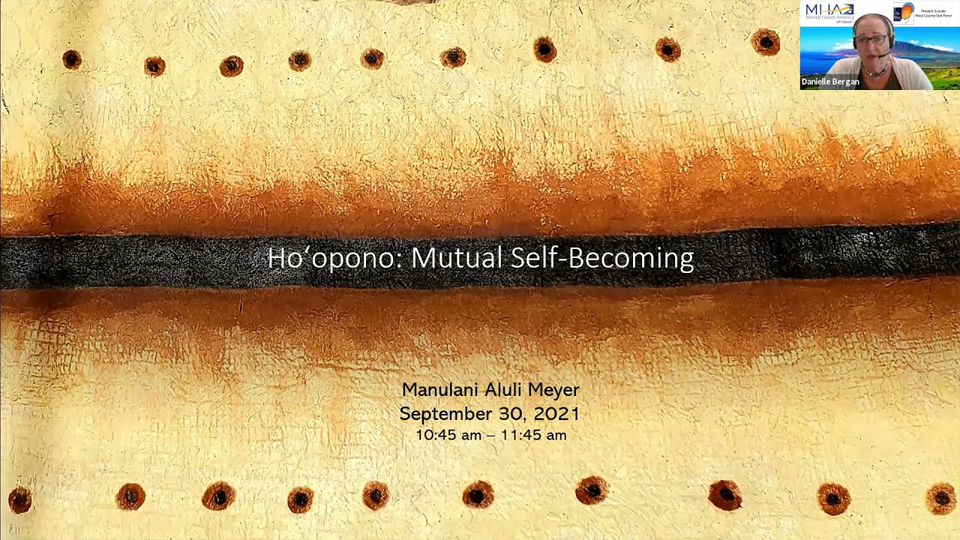
Ho`opono: Mutual Self Becoming by Dr. Manulani Meyer
@Mental Health America Of Hawai`i
The Teachings - Wisdom of Hawai'i | Mahealani Kuamo’o-Henry - Aloha, Ho'oponopono, Ho'ailona
@Unreel Films
A “Before You Practice” Reflection
Before seeking Hoʻoponopono, ask yourself:
Am I willing to listen, not just speak?
Am I willing to take responsibility without blame?
Am I willing to release being right in order to restore relationship?
Connect With Us
©2025 PEWA. All Rights Reserved.